

Med spa SEO is the work of making a medical spa appear when people nearby search for a treatment, a concern or a clinic, and then turning that visit into a booked consultation. This guide is written for med spas in the United States, with a short section for Australian clinics. For most med spas, four things decide rankings: local presence, one page per treatment, properly written location pages and a fast, technically sound website.
If you are reading this, you have probably already decided you need SEO. So this guide skips the case for it and goes straight to what the work involves, in the order it matters.
What medical spa SEO actually covers
Search engine optimization, or SEO, means improving your website and your wider online presence so that Google shows you more often for searches that lead to bookings. Whether you call it med spa SEO, medical spa SEO or medspa SEO, the job is the same: be visible when someone in your area is ready to look for a treatment you offer, and give them a reason to choose you.
Unlike a general business, a med spa sells many different treatments to many different people. Someone researching laser hair removal is a different buyer from someone considering lip filler, and Google treats those as separate searches with separate competitors. That single fact shapes almost everything below.
1. Local presence comes first
Med spa searches are overwhelmingly local. When someone searches for a treatment near them, Google usually shows a map with three businesses, often called the map pack, above the ordinary results. Winning a place there starts with your Google Business Profile, the free listing that powers the map.
- Primary category. Choose the category that most accurately describes your business, such as medical spa, and add secondary categories only where they genuinely apply.
- Services. List each treatment you offer as a service, in the words patients use.
- Photographs. Add real photographs of your premises, treatment rooms and team. Avoid patient images here unless you have the right permissions, which we cover below.
- Hours and details. Keep opening hours, phone number and address accurate and identical everywhere they appear online.
- Reviews. A steady flow of genuine reviews matters, and how you ask for and reply to them is regulated, which we also cover below.
Our Local SEO package covers setting up and optimizing a Google Business Profile if you would rather hand this part off.
2. Treatment pages: the biggest fix on most med spa websites
This is the longest section because it is where most med spa websites lose the most revenue. Many sites have a single services page that lists everything in a line or two. The problem is that Botox, fillers, laser hair removal, microneedling, chemical peels, body contouring and skin tightening are all separate searches, made by different people, with different questions and different competitors. A page that covers everything ranks well for nothing.
Give each treatment you want more of its own page. A strong treatment page usually covers:
- What the treatment is, in plain language, from the patient’s point of view.
- Which concerns patients usually come in with, and how a consultation works.
- Who at the clinic performs it, with their qualifications.
- What to expect on the day and afterwards, without promising results.
- Pricing or a price range, or at least how pricing is decided.
- Answers to the questions your front desk hears every week.
- A clear way to book a consultation.
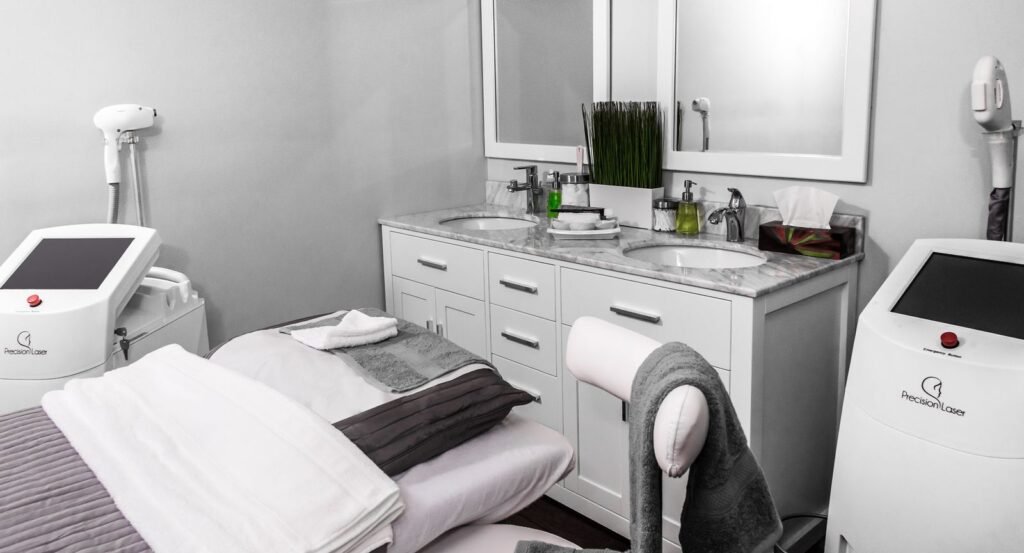
Write each page for the patient, not for Google. Pages that answer real questions clearly tend to rank better than pages stuffed with keywords, and they convert better too. Avoid copying manufacturer descriptions, which add nothing for search engines and may include claims you cannot support.
Treatment pages also give you a natural place to use the full range of search terms people use. Some will search for a brand name, some for the treatment type and some for the concern. Covering all three on the right page, in natural language, is what lets one page rank for a cluster of related searches. Our on-page SEO case study shows how clearer, more focused pages helped one business reach the top five results on its core service terms.
3. Location pages, done properly
If you run more than one clinic, each location needs its own page and its own Google Business Profile. The common mistake is to create one template and swap the city name, which produces near-identical pages that Google tends to ignore.
A good location page is genuinely about that location: the address and how to get there, parking, the team who work there, which treatments are offered at that site, opening hours and local reviews. If you only have one clinic, you usually do not need location pages for nearby towns at all. Your treatment pages and Google Business Profile will do more.
4. Technical health and speed
Technical SEO covers the parts of a website that visitors rarely see but search engines do: how fast pages load, whether they work well on phones, whether Google can find and index every page, and whether structured data tells search engines what your business is. Most med spa patients browse on a phone, so a slow or awkward mobile site loses bookings before SEO even comes into it.
You do not need to become technical yourself. A technical audit will list what needs fixing and in what order.
Med spa SEO or paid ads?
This is the question almost every owner asks. The honest answer is that they do different jobs.
- Paid ads can bring bookings this week, and they stop the day the budget stops.
- SEO takes longer to start working, but the visibility it builds keeps working without a cost per click.
- Most med spas benefit from both at different stages: ads to fill the calendar now, SEO to reduce reliance on ads over time.
If you are weighing up the wider mix of channels, our guide on how to market a med spa sets out a sequence for spending a marketing budget.
How long med spa SEO takes, and the first 90 days
Unrealistic expectations are the main reason clinics give up on SEO too early. A realistic first 90 days usually looks like this:
- Month one: an audit of the site and Google Business Profile, keyword research and a plan, followed by the most important technical and local fixes.
- Month two: new or rewritten treatment pages for the treatments you most want to grow, and a consistent process for requesting reviews.
- Month three: more treatment pages, internal links between related pages, and the first reporting on rankings, map visibility and inquiries.
Some movement often appears within the first few months, especially in the map results, but steady growth usually takes longer and depends on your market and competition. Be wary of anyone who promises a fixed timescale or guaranteed rankings. Nobody controls Google’s results.
The compliance side of med spa marketing in the United States
Med spas sit between beauty and medicine, and the rules reflect that. This is not legal advice, and you should confirm your own obligations with your own counsel. In general terms, in the United States:
- Patient photographs and stories. Under the HIPAA Privacy Rule, using a patient’s protected health information for marketing generally requires the patient’s written authorization. Before-and-after photos and patient stories fall into this area. The HHS guidance on marketing explains the rule.
- Replying to reviews. HHS’s Office for Civil Rights has settled cases with healthcare practices that disclosed patient information while replying to online reviews. Keep replies general and never confirm someone is a patient.
- Reviews and testimonials. The FTC’s rule on consumer reviews and testimonials, which took effect in October 2024, prohibits fake reviews and certain review practices, and the FTC Endorsement Guides require influencers and paid endorsers to disclose their connection to you.
- State rules. State medical boards regulate who may perform treatments, what supervision is required and how a medical spa may describe itself. These rules vary significantly from state to state, so do not assume what applies in one state applies in yours.
A note for Australian clinics
In Australia, the same kind of business is usually called a cosmetic clinic, skin clinic or laser clinic rather than a med spa, so the search terms are different. The advertising rules are also materially stricter: Australian clinics face a prohibition on testimonials about clinical care and tight limits on how treatments involving prescription medicines can be described. Our guide to the AHPRA advertising guidelines explains what Australian clinics can and cannot say.
Where to start
If you only do three things this quarter, make them these: complete and tidy your Google Business Profile, build a proper page for the one or two treatments you most want to grow, and set up a simple process for requesting reviews. Then measure what changes. You can see how we work on our SEO page and our prices on the pricing page.
See where your med spa stands on Google.
Get a free SEO audit of your website and Google Business Profile, with clear next steps and no obligation.
Frequently asked questions
What is med spa SEO?
Med spa SEO is the work of improving a medical spa’s website and online presence so it appears when people nearby search for treatments, concerns or clinics, and then turning those visits into booked consultations.
How much does SEO cost for a med spa?
It depends on the work involved and how competitive your area is. We publish our prices on our pricing page, so you can see the cost of a one-off fix or a monthly plan before you speak to anyone.
How long does it take for med spa SEO to work?
Map results and individual treatment pages can start to move within a few months, but steady growth usually takes longer. Timing depends on your market, your competition and the current state of your site.
Is SEO or paid ads better for a med spa?
They do different jobs. Paid ads can bring bookings quickly but stop when the budget stops. SEO takes longer but keeps working. Many med spas use ads to fill the calendar now and SEO to reduce reliance on ads over time.
Do I need a separate page for each treatment?
In most cases, yes. Each treatment is a separate search with different competitors, and a focused page is far more likely to rank than one page that lists everything.
Can a med spa use before-and-after photos on its website?
In the United States, using patient photos for marketing generally requires the patient’s written authorization under HIPAA, and state rules may apply too. Confirm your obligations with your own counsel before publishing them.
Does my Google Business Profile affect my rankings?
Yes. For local searches, your Google Business Profile largely decides whether you appear in the map results, which usually sit above the ordinary listings.






 WhatsApp us