
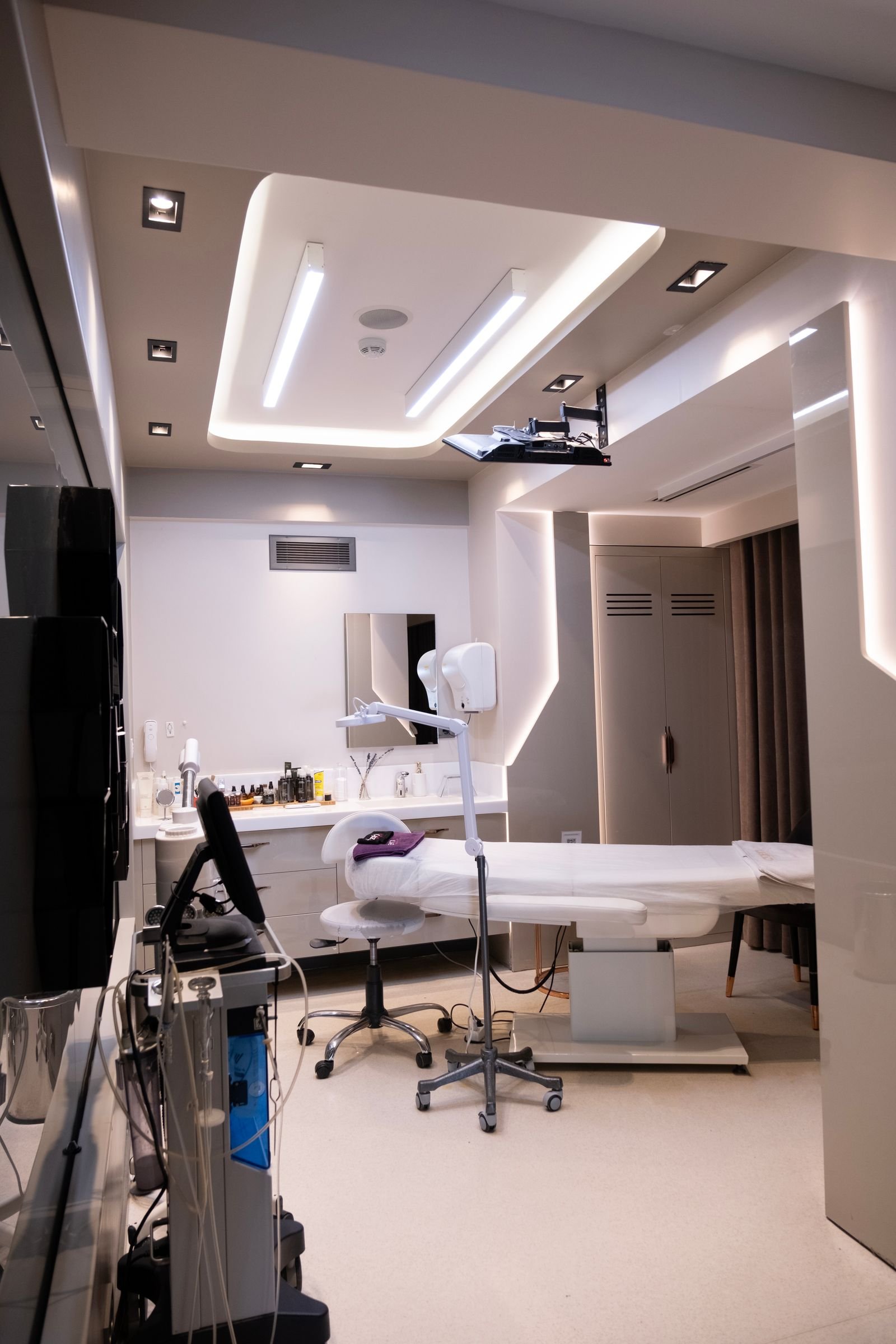
SEO for aesthetic clinics is the work of making your clinic appear when people nearby research a skin concern, a treatment or a practitioner, and then giving them enough confidence to book a consultation. For most UK clinics the biggest gains come from pages built around the concerns patients search for, practitioner pages that show real credentials, a well-kept Google Business Profile and genuine reviews, all written within ASA and CAP advertising rules.
This article is about marketing, not clinical practice. It makes no claims about treatments or results, and your website should not either without careful checking.
Why aesthetics search behaves differently
Someone looking for a plumber wants the nearest one who can come today. Someone considering an aesthetic treatment behaves very differently. They often research for weeks, read about the concern before they read about any treatment, compare several clinics and look closely at who will actually treat them. Price matters, but trust usually decides.
That changes what your website needs to do. A short list of treatments with a booking button does little for a patient who is still working out what their options are. The clinics that do well in search tend to answer the questions patients ask at each stage, so they are already a familiar name when the patient is ready to book.
In practice, patients search in three broad ways:
- By concern, for example acne scarring, pigmentation, skin laxity or thread veins, often with a town or city added.
- By treatment, for example dermal fillers, chemical peels or microneedling, usually with “near me” or a location.
- By practitioner or clinic name, once they have a shortlist and want to check reviews and credentials.
A clinic that only targets the second group misses most of the research journey.
The advertising rule that shapes everything
Botulinum toxin, the medicine many people know by the brand name Botox, is a prescription-only medicine in the UK. CAP rule 12.12 and MHRA regulations ban advertising prescription-only medicines to the public, and the ASA treats a clinic’s own website and social media as advertising.
According to the ASA’s guidance for clinics, it can be mentioned on a website only in a factual, non-promotional way, for example as a possible outcome of a consultation or within a price list of treatments, and not on the homepage. Social posts, paid ads and promotional offers must not mention it at all, directly or indirectly.
This matters for SEO because it rules out the obvious approach of building pages around the medicine’s name. The good news is that the compliant approach also suits how patients search: lead with concerns and consultations, and keep treatment information factual. We cover the page structure in detail in our guide to structuring an aesthetic clinic website.
Do not take your cue from competitors who ignore the rules. A non-compliant page that ranks well simply puts it in front of more people who might complain, and ASA rulings name the clinic involved.
Build pages around the concerns patients search for
Concern pages are the backbone of a good aesthetic clinic website. Each one should be about a single concern and explain, in plain language, what it is, what usually causes it, how a consultation works and which types of treatment a practitioner might discuss. It should link to factual treatment pages rather than promise an outcome.
Concern pages earn search visibility because they match the words patients actually type, and they keep you on the right side of the advertising rules because the conversation starts with assessment rather than a product. Give each concern you treat its own page instead of grouping them on one long page, since Google tends to rank a page that is clearly about one thing above a page that is vaguely about everything. Our on-page SEO case study shows how clearer, more focused pages helped a business reach the top five results on its core service terms.
Show who will be treating the patient
Patients want to know who will be treating them, and Google looks for the same thing. Its quality guidelines put weight on experience, expertise, authoritativeness and trust, often shortened to E-E-A-T, especially for health-related topics.
Give each practitioner a page or a substantial profile that covers:
- Their professional background and any regulator registration, such as the GMC, NMC or GDC, with a way for patients to check it.
- Relevant training and qualifications, described accurately.
- The concerns and treatments they focus on.
- A real photograph of them, taken at the clinic.
This is likely to matter more over time. The government has proposed a licensing scheme for non-surgical cosmetic procedures in England, and under its August 2025 proposals some treatments would need a named, regulated healthcare professional involved. The scheme is not yet in force and the details may change, but clinics that already show their credentials clearly will be ready for it.
Win the local search
Most aesthetic searches have local intent, even when the patient does not type a location, so the map results matter. A complete, accurate Google Business Profile is the starting point:
- Choose the primary category that most accurately describes the clinic, and add secondary categories only where they genuinely apply.
- Add photographs of your premises, treatment rooms and team. Avoid patient images here.
- Keep your name, address, phone number and opening hours identical everywhere they appear online.
- Use the services section to list consultations and treatments in the same factual style as your website.
Reviews carry a lot of weight in this sector. Ask every satisfied patient, make it easy with a direct link and reply to reviews politely. Never pay for or incentivise reviews. If you feature testimonials on your own website, the ASA says they must be genuine, you need permission to use them and they must not refer to prescription-only medicines.
Our guide to local SEO and the map pack covers the profile, reviews and local signals step by step.
Be careful with before-and-after photographs
Before-and-after images are popular with patients, but they are a common reason clinics fall foul of the rules. They must never be used to promote prescription-only medicines, and for other treatments they need to be genuine, unretouched, representative of typical results and used with the patient’s written consent. From an SEO point of view they add little on their own, because search engines cannot judge a result from a photograph. A clear explanation on a concern page does far more for rankings than a gallery.
Get ready for AI search
More patients now ask AI tools such as ChatGPT or Google’s AI Overviews to explain a concern or compare options before they visit a clinic website. These tools tend to draw on pages that give clear, factual answers from sources that look trustworthy. The concern pages and practitioner profiles described above are exactly that kind of content. Our article on generative engine optimisation explains how this works.
What to avoid
- Agencies that guarantee rankings or a set number of new patients. Nobody controls Google’s results.
- Fake reviews, or reviews written by staff.
- Discount-led pages or countdown offers for prescription-only treatments.
- Treatment descriptions copied from manufacturers or other clinics, which add nothing for search engines.
- Anything that could appeal to under-18s. Since May 2022, ads for non-surgical cosmetic treatments must not be directed at them.
How to tell whether it is working
Rankings are a means to an end. The numbers that matter are consultation enquiries from organic search, calls and direction requests from your Google Business Profile, and how many of those enquiries become booked consultations. Track them monthly from a baseline taken before the work starts, and expect steady movement over several months rather than overnight. To work out what SEO needs to deliver to pay for itself, our guide on whether SEO is worth it walks through the sums.
See where your clinic’s website stands today.
Get a free SEO audit with clear next steps, and no obligation to buy anything.
Frequently asked questions
Can an aesthetic clinic mention Botox on its website?
Only in a factual, non-promotional way, for example as a possible outcome of a consultation or in a price list, and not on the homepage. The ASA’s guidance for clinics sets out the details, and CAP Copy Advice can help with specific wording.
What is the best way for an aesthetic clinic to get more enquiries from Google?
For most clinics it is a combination of focused concern pages, practitioner profiles that show credentials, a complete Google Business Profile and a steady flow of genuine reviews. The right mix depends on your area and your competition.
How long does SEO take for an aesthetic clinic?
It usually takes several months to see steady movement, depending on your location, your competition and the current state of your website. Be wary of anyone who promises a fixed timescale.
Should my clinic use before-and-after photos for SEO?
They add little for rankings on their own and they carry advertising risks. They must never promote prescription-only medicines and, for other treatments, must be genuine, unretouched, typical and used with consent.
Do I need separate pages for each concern and treatment?
In most cases, yes. Separate, focused pages match the way patients search and are easier for Google to understand than one long page that covers everything.
How much does SEO cost for an aesthetic clinic?
It depends on the work involved. Book a free call and we will give you a clear, fixed quote before any work starts.






 WhatsApp us