
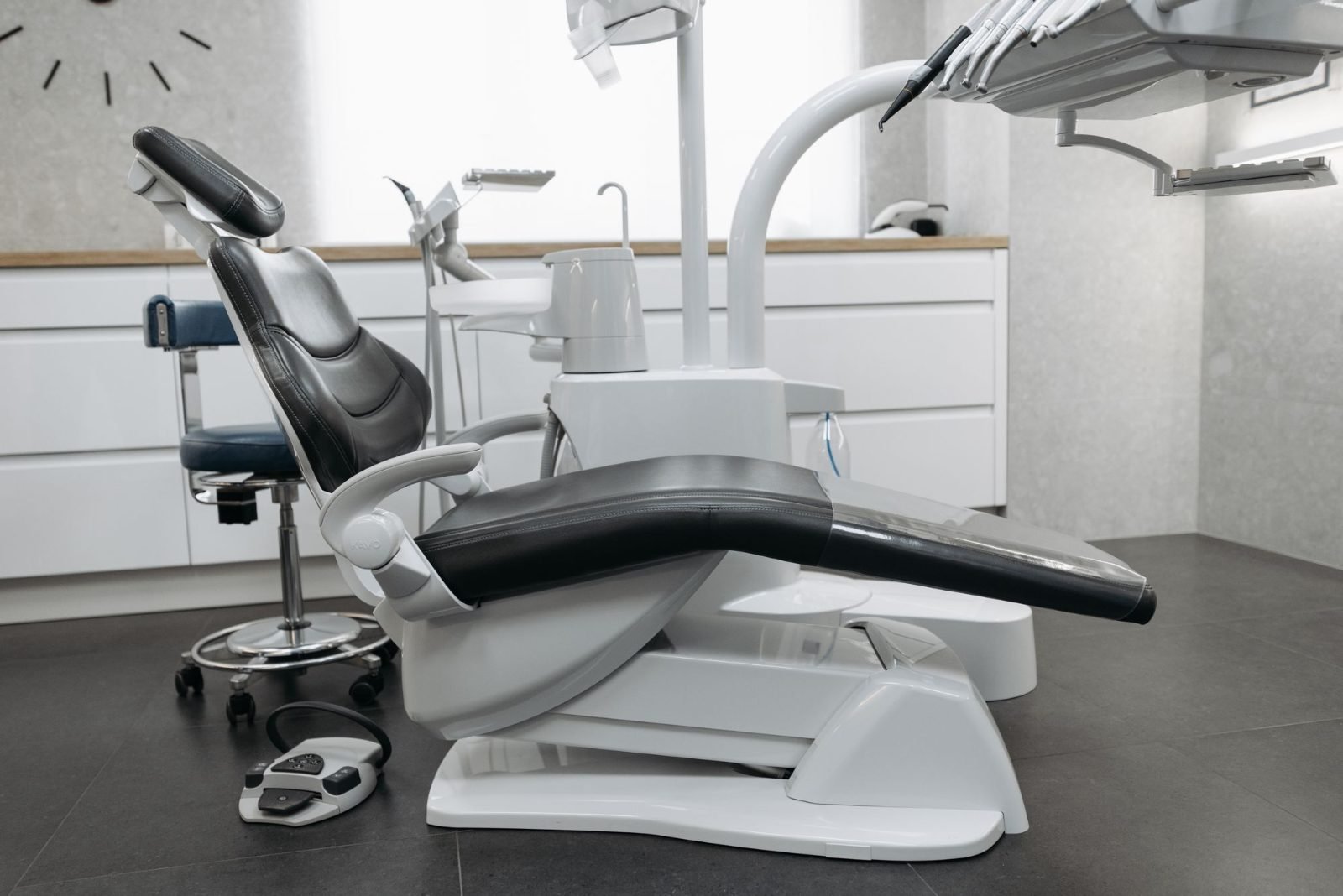
SEO for dentists is the work of making your practice appear when people nearby search for a dentist or a specific treatment, such as an implant or orthodontic consultation. For most practices the biggest wins come from a separate page for each treatment, a well-kept Google Business Profile and a steady stream of genuine reviews. It must also stay within GDC guidance and ASA advertising rules.
This article is about the marketing, never the dentistry. It does not make clinical claims, and neither should your website without careful checking.
Start with the economics
Dental patients can be worth a great deal over time, and a single extra implant or orthodontic case can cover a large share of a year of SEO. We are not going to quote a figure, because yours will be different. Work it out yourself with three numbers:
- The average value of a treatment you want more of, for example an implant case.
- The share of enquiries that turn into booked patients. Your reception team will know this.
- The number of extra enquiries you would need each month for the work to pay for itself.
Multiply the first two and divide your monthly SEO cost by the result. That tells you how many extra enquiries you need. If that number looks realistic, SEO deserves a serious look.
One page per treatment
This is the highest-impact fix on most dental websites, and very few practices have done it. Many sites have a single treatments page that lists everything in a few lines each. The trouble is that implants, orthodontics, veneers, hygiene and emergency care are separate searches from people with different needs. Google tends to rank a page that is clearly about one thing above a page that is vaguely about everything.

Give each major treatment its own page. Each should explain, in plain language, what the treatment involves from the patient’s point of view, who offers it at the practice, how to book a consultation and what the practical next steps are. It should not make claims about results. Our on-page SEO case study shows how clearer titles and descriptions helped a business reach the top five results on its core service terms.
The local side
Dental searches are overwhelmingly local. Most people want a practice they can reach easily. Local search has its own rules and we cover them in detail in our guide to local SEO for small businesses, so here is the short version for dentists:
- Google Business Profile. Keep your opening hours, services, photographs and contact details accurate and complete.
- Treatment-level pages. As above. They support both your website and your profile.
- Location pages. If you have more than one site, each needs its own page with its own address, team and local details. Do not copy one page and change the town name.
- Reviews. Ask patients to leave honest reviews and reply to them politely. Never offer an incentive in return for a review, as this is against Google’s guidelines.
Private and NHS are different markets
This point is specific to the UK, and most dental SEO advice written for American practices misses it entirely. People searching for an NHS dentist and people searching for private treatment are looking for different things, using different words, and they behave differently.
If your practice offers both, decide which you are optimising your website for, and be honest about what you offer. A page written to attract private cosmetic enquiries should not leave NHS patients confused about whether they can book, and the reverse is also true. Clear information on what is available, to whom and how to apply saves everyone time and keeps your reviews healthy.
Compliance in plain terms
Many practices avoid marketing because they worry about getting it wrong. That is understandable. UK dental advertising is governed by guidance from the General Dental Council (GDC) and by the rules of the Advertising Standards Authority (ASA). In practical terms they place limits on the claims you can make and on how you can use before and after imagery.
- Do not promise or imply specific treatment outcomes.
- Be careful with before and after photographs, and check the current guidance before using any.
- Do not use language that could mislead a patient about cost, risk or suitability.
- Have a qualified person at the practice review treatment pages before they go live.
Rules change, so always check the latest GDC and ASA guidance directly. If a piece of advice would need a clinical claim to make sense, it is better to leave it out.
The enquiry path
Ranking is only half the job. A practice that appears at the top of local results but does not answer the phone gains nothing. Check the whole path from search to booked appointment:
- Can a patient book online, and does it work on a phone?
- Is your phone number easy to find and tap on mobile?
- Are calls answered, or returned quickly, during working hours?
- Do you track where enquiries come from, using call tracking or a simple question at booking?
Without that last step, you cannot tell whether SEO is working. You can read more about how we approach this on our SEO services page.
Where to start
A free audit is a sensible first step. It shows what is holding your website back and what to fix first, so you can decide what to do next with clear information.
See where your website stands today.
Get a free SEO audit with clear next steps, and no obligation to buy anything.
Frequently asked questions
How much does SEO cost for a dental practice?
It depends on the work involved. Book a free call and we will give you a clear, fixed quote before any work starts.
How long does dental SEO take to work?
It usually takes several months to see steady movement, and the timing varies by area and competition. Be cautious of anyone who promises a fixed timescale.
Do dentists need a separate page for each treatment?
It is one of the most effective changes you can make. Each major treatment is a separate search with its own intent, so a dedicated page serves it far better than a single list.
Can a dental practice use before and after photos in marketing?
Rules from the GDC and ASA restrict this. Check the current guidance directly before using any, and have someone qualified review the content.
Is SEO different for NHS and private dentistry?
Yes. The searches, the intent and the competition differ. Decide which you are targeting and be clear on your website about what you offer.
Do Google reviews matter for dentists?
Yes. Reviews influence both rankings and patient trust. Ask for honest reviews, reply politely and never offer incentives.
Is it worth doing SEO if my practice already has patients?
It can help you attract the type of treatment you want more of and reduce reliance on referrals and paid advertising. Work out your own numbers to decide.






 WhatsApp us